Some of Our Studies
From Tip to Tail
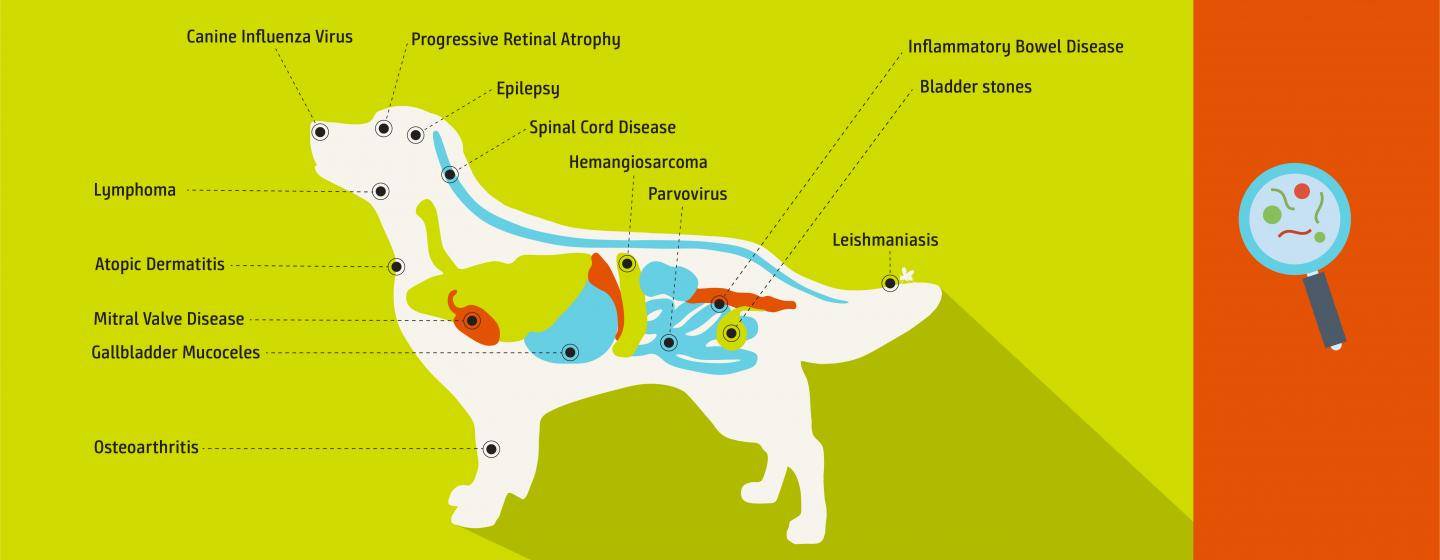
Dog people get it. Life just wouldn’t be the same without these devoted, loving and funny members of our family. So, you want them to have the longest, healthiest lives possible. And so do we.
1,160+
canine studies funded

76 million
dogs helped in the United States alone
Dogs
Petco Love, Blue Buffalo give $100K to support lifesaving science, adding to the $7M already donated for dog, cat cancer research
Media Alert: Morris Animal Foundation receives a generous matching gift from Petco Love and Blue Buffalo for the annual Stop Cancer Furever campaign.
Novel Research Leverages AI to Identify Dogs at Higher Risk for Cancer
MEDIA ALERT: A new study aims to develop early detection and prevention strategies for dogs with diffuse large B-cell lymphoma, the most common form of the deadly cancer.
Foundation Announces Grant Recipient for Canine Wobbler Research
PRESS RELEASE: March 7, 2024 — Foundation announced that researchers at The Ohio State University will receive funding to advance the care of dogs with Canine Wobbler Syndrome, a neurological disorder impacting the spinal region of the neck.

Stay Connected!
Be the first at the dog park to hear about breakthroughs in canine medicine that can help your dog have the best life possible.

Clinical Trials, Anyone?
Your dog may qualify to enroll in an ongoing Foundation-funded clinical trial & help improve the health of other canine companions.